
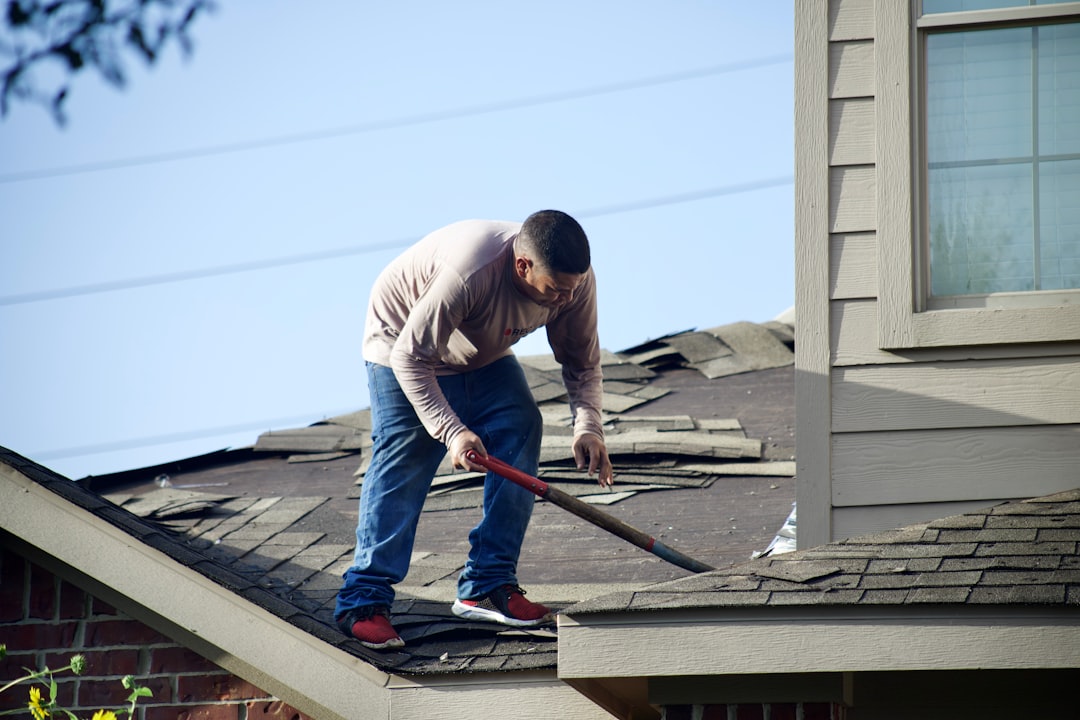
 Photo from Unsplash
Originally Posted On: https://ragsdaleroofing.com/2026/01/07/roof-underlayment-101-how-it-works-and-its-value/
Overview
In this blog, Ragsdale Roofing And Innovations LLC explores what roof underlayment is, why it matters, and how choosing the right type can help extend your roof’s life and boost its performance. If you’ve never paid much attention to this hidden hero before, now’s the time.
Highlights
- Understanding roof underlayment
- Different types of roof underlayment
- How underlayment protects against damage
- Signs your underlayment may need replacing
- The underlayment replacement and installation processes
Introduction
When homeowners think about their roofs, they usually picture shingles, tiles, or maybe even the gutters around the edge. But there’s a crucial layer that sits just beneath the surface, silently doing the heavy lifting to protect your home: the underlayment. Think of underlayment as your roof’s backup plan—it’s there to catch any water that slips through and keep moisture from damaging your home.
We often get calls from homeowners dealing with leaks, rot, or insulation problems who are surprised to learn the issue started below the surface. That’s why understanding underlayment isn’t just for contractors—it’s vital to recognizing issues with your roof.
If you’re replacing your roof, planning a repair, or just want to keep your home protected, this guide will help you get familiar with what’s going on beneath the shingles.
What Roof Underlayment Actually Does for Your Home
Your roof is a complex system made up of many different components, and every part plays a crucial role.
Underlayment is the middle part of the trifecta of roofing materials that make up your system, including:
- Decking at the base
- Underlayment in the middle
- Shingles (or another material) on top
Essentially, underlayment is a water-resistant or waterproof layer that sits between your roof deck (usually made of plywood or OSB) and the outer roofing material (like asphalt shingles or tiles). It’s not just a backup plan—it’s an essential component that plays several roles in your roof’s performance.
First and foremost, it provides an extra barrier against water intrusion. Wind-driven rain can get under shingles, especially during storms. If that happens, the underlayment steps in to block that moisture from reaching your wood decking and attic space.
Second, underlayment helps prevent resin from the wood deck from seeping into your shingles and causing damage over time. It also protects the roof deck from UV rays and heat while the rest of the roof is being installed, a critical window where exposed decking can otherwise get damaged quickly.
In short, underlayment acts like the unsung bodyguard of your roofing system. Without it, even the best deck and/or shingles in the world can’t fully do their job.
Different Types of Roof Underlayment and Their Pros and Cons
Not all underlayment is created equal. In fact, the material you choose can affect your roof’s performance, installation cost, and lifespan. The three main types are asphalt-saturated felt, synthetic underlayment, and rubberized asphalt. Let’s take a closer look at each.
Traditional Felt (Asphalt-Saturated Felt)
Also known as tar paper, this was the go-to underlayment for decades. It’s made by saturating a heavy-duty paper or fiberglass mat with asphalt. While it’s less common today, many roofers still use it for budget-conscious repairs or when local codes call for it.
Felt is breathable, which can help reduce moisture buildup under the roof deck. However, it’s also heavier and more prone to tearing, especially during installation. It can wrinkle or buckle in humid conditions, which may affect how well the shingles lie flat.
One major downside is that it offers limited water resistance. If exposed to heavy rain before shingles go on or after they become damaged, traditional felt can absorb moisture and break down quicker than other options.
Synthetic Underlayment
This is the modern standard for most residential roofing projects. Made from polypropylene or polyethylene, synthetic underlayment is stronger, lighter, and more resistant to tearing than traditional felt. It also lies flatter, which improves shingle adhesion and appearance.
Not all synthetic underlayment offers the same performance, though. Some are designed for high-slope roofs only, while others include anti-slip coatings and enhanced durability for walkability during installation. Costs can vary depending on thickness and brand, so it’s important to match the product to your climate and roofing material.
Rubberized Asphalt
If you want top-tier protection, rubberized asphalt is the premium option. This underlayment contains a higher percentage of asphalt and rubber polymers, creating a waterproof membrane that self-seals around nails and fasteners.
It’s especially useful in high-risk leak areas, such as roof valleys, eaves, skylights, and chimneys. Some building codes even require rubberized asphalt in these zones due to its superior performance.
Unlike felt or synthetics, rubberized asphalt forms a watertight barrier. It’s often used beneath metal, tile, or slate roofs or in regions prone to ice dams and wind-driven rain. The tradeoff is that it’s more expensive and heavier to install. However, for homeowners seeking long-term peace of mind, it’s often worth the investment.
Choosing the Right Underlayment for Your Roof
Ultimately, the best underlayment for your home depends on your roofing material, budget, climate, and local building codes. Synthetic options strike a solid balance between performance and price for most homeowners. Felt may still be suitable for use in mild climates or for repairs. Rubberized asphalt provides top-tier protection in areas with frequent storms, ice, or heavy rainfall, but may be an unnecessary expense in lighter conditions.
If you’re not sure what’s right for your home, your roofing contractor can help you weigh the pros and cons and explain why one material might perform better than another on your roof.
How Underlayment Protects Against Leaks and Weather Damage
Think of underlayment as your roof’s insurance policy. It’s not meant to be the star of the show, but when something goes wrong (like missing shingles or driving rain), it steps up.
In hot and humid climates like Georgia and South Carolina, moisture is the enemy. The right underlayment helps block water vapor and liquid moisture from seeping through and rotting the wood beneath. It also offers a crucial second layer of defense in areas prone to wind-driven rain or rapid temperature shifts.
In regions with colder temperatures, underlayment also plays a significant role in preventing ice dam damage. Ice dams form when warm air escapes through the attic, melts snow on the roof, and then refreezes at the edges. Without a waterproof underlayment, that trapped water can seep under shingles and cause serious issues.
Roof leaks don’t always start with something obvious. Sometimes, it’s a cracked shingle or a tiny gap around flashing. Underlayment prevents those minor failings from becoming full-blown water damage inside your home.
Signs Your Underlayment May Need Replacing
Most homeowners never see their underlayment, which makes it tough to know when it needs attention. However, there are some red flags to watch for.
If your roof is more than 20 years old and has never been replaced, the underlayment has likely aged out of its effective lifespan. Even if your shingles look okay, old underlayment can become brittle, curl, or crack, especially in intense sun or moisture-heavy areas.
Here are some clues that it may be time for an underlayment upgrade:
- Recurring leaks in your attic or ceiling
- Stains, mold, or musty smells in the attic
- Loose or missing shingles
- Recent storm or wind damage
- A sagging or soft roof deck
Getting a professional roof inspection is the only way to confirm the condition of your underlayment without tearing up the surface. If you’re already planning a reroof, it’s a great opportunity to check and replace the underlayment if needed.
What To Expect When Replacing or Installing Roof Underlayment
If you’re replacing your roof, your underlayment will usually be replaced as part of the project. A professional roofer will strip away the old shingles, inspect the deck, and remove any worn or damaged underlayment. Then, they’ll lay down new material that matches the design and needs of your new roof.
This part of the process usually goes quickly but requires attention to detail. Proper overlapping, fastening, and sealing are key to ensuring a watertight fit. Most synthetic and peel-and-stick options are designed to install smoothly and resist wrinkles or bunching.
Homeowners should plan for some noise, material deliveries, and potentially a full day of work for mid-sized homes. Your roofing team will walk you through the schedule, cleanup, and any special prep you may need to do ahead of time.
Ready To Protect Your Roof from the Inside Out?
A strong roofing system starts with smart decisions below the surface. Whether you’re planning a replacement or just want peace of mind, understanding your underlayment is one of the best steps you can take.
At Ragsdale Roofing And Innovations LLC, we help homeowners across Savannah, Bluffton, Hilton Head Island, and beyond choose the best materials and solutions for long-lasting performance. Our roofing systems are built with high-quality underlayment and installed by licensed professionals who know how to keep your home dry and protected in every season.
Looking for help with your roof project? Contact us at (912) 346-8250 to learn more or schedule a consultation today.



 No Excel installed required: Works without Microsoft Office.