
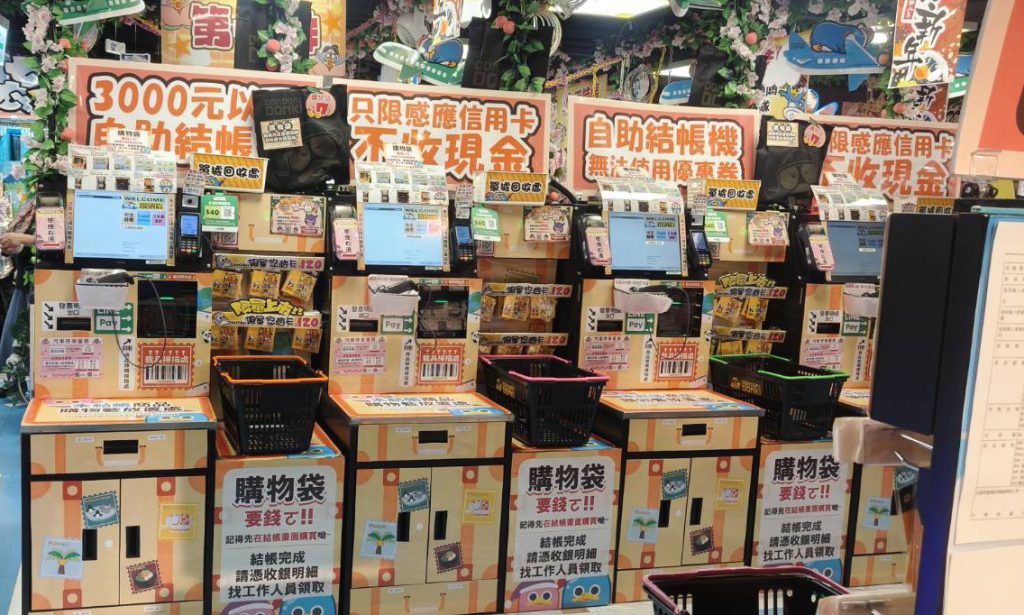
Labor shortages and rising wages are driving Japan’s shift to self-checkout and unmanned stores, making automated shopping an increasingly common part of daily life.

TOKYO, JAPAN (MERXWIRE) – Structural issues such as a declining birthrate and an aging population are reshaping how Japanese consumers shop. Fully automated self-checkout, unmanned convenience stores, and mobile payments are being widely introduced, allowing retailers to operate with minimal staff while maintaining a smooth and comfortable shopping experience.
Self-checkout has emerged as a major trend in supermarkets. According to the Japan Supermarket Association’s Annual Supermarket Statistics Survey, approximately 77.1% of supermarkets had implemented self-checkout or semi-self-checkout systems in 2025, with installation rates steadily rising year by year.
Looking ahead, 10.7% of supermarkets plan to install new self-checkout machines, while 14.5% intend to increase the number of existing units. As most retailers have completed initial installations, the proportion planning entirely new machines has slightly declined, highlighting self-checkout’s position as a mainstream feature in Japan’s retail sector.
Convenience stores are also gradually experimenting with unmanned store operations. FamilyMart recently opened its fourth unmanned branch at a JR East train station. Although expansion has been slower than initially expected, the number of locations is steadily increasing. These systems are primarily being deployed in stations and office areas to reduce staffing needs and diversify store operations.
Consumer adoption appears to be growing. A supermarket shopper said, “I’m used to self-checkout now. I can take my time putting coins in the machine without feeling rushed—it’s really convenient.”
A first-time visitor to an unmanned convenience store remarked, “I felt a little nervous at first, but the inside is similar to a regular FamilyMart. Following the on-screen instructions for checkout was much simpler than I expected.”
From semi-self-checkout systems to fully unmanned stores, Japan’s consumer environment is undergoing significant change. Industry observers remain optimistic about automation, viewing it as a way to maintain service levels while addressing labor shortages. However, balancing staff reduction with consumer acceptance will be a key factor in determining how widely these technologies can continue to expand.