
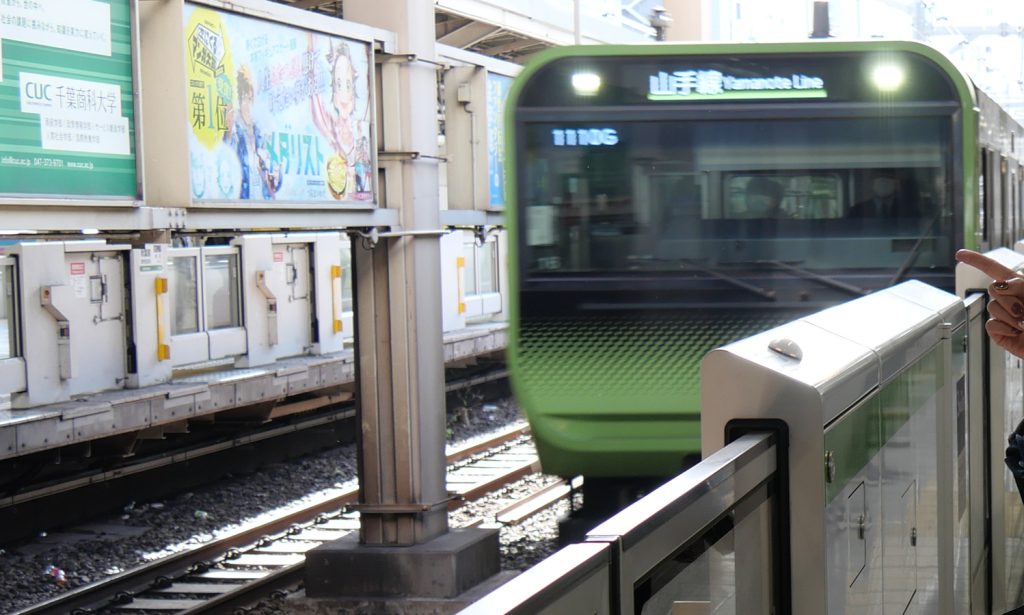
JR East announced a comprehensive fare increase starting March 14th, with commuter tickets on the Yamanote Line increasing by up to 22.9%, significantly increasing the monthly burden on commuters. Kanto Smart Living Cooperative advises commuters to reconsider their transportation options to avoid this unexpected financial strain.

TOKYO, JAPAN (MERXWIRE) – The Tokyo area consistently ranks first globally in rail transport volume, carrying billions of passengers annually. Its vast system, comprised of JR, Tokyo Metro, Toei Subway, and numerous private railway lines, provides convenience for commuters. However, JR East announced that fares across all areas will increase by 4.4% to 22.9% starting March 14th. For commuters who use the Yamanote Line daily, the monthly commuting cost is expected to increase by at least 1550 yen.
The main reason for this price increase is that JR East has merged the “Train Specified Sections/Yamanote Line” fare category into the “Main Line” fare category. Commuter tickets on the Yamanote Line saw the largest increase, at 22.9%. This increase will have the biggest impact on commuters and students who travel daily to and from central Tokyo, leading many to lament the end of the Yamanote Line’s low-price system.
JR East sells tickets including ordinary tickets, commuter tickets, and school tickets. While school tickets on “Main Line” and “Regional Transportation Lines” remain unchanged, fares on “Train Specified Sections/Yamanote Line” have increased, resulting in an average increase of 4.9% for school tickets. Commuter tickets saw an even larger increase, averaging 12%.
Besides increasing transportation costs for local residents, foreign tourists will see a significant rise in travel expenses. While the impact will be relatively limited for short-term overseas visitors—with a single trip within the city only adding a few tens of yen, unlikely to significantly affect travel plans—those planning long-term work, study, or independent travel in Japan should pay close attention to changes in transportation costs.
JR East stated that due to aging equipment, rising maintenance and upgrade costs, and the narrowing price gap between private railways and JR fares, maintaining the low-price system is no longer suitable for current operations. Therefore, they decided to unify and integrate the fare structure.
A commuter who travels daily between Shinjuku and Tokyo Station said, “This price increase is really significant. It’s only one stop from Shinjuku to Tokyo Station, but a monthly commuter pass will cost an extra 1550 yen, which is astonishing.”
Kanto Smart Living Cooperative advises commuters to re-evaluate their commuting routes, making good use of private railway transfers, flexible working hours, or commuting further away, or purchasing longer-term regular commuter passes to reduce transportation costs. Travelers are advised to plan their trips in advance, evaluate one-day passes, rail passes, or zone passes, and incorporate transportation cost adjustments into their overall travel budget to avoid unexpected burdens.
Experts mentioned that abolishing the low-price system within the Yamanote Line signifies the end of the “city center subsidy era” for Tokyo’s transportation system. With rents and prices continuing to rise, this round of transportation fare increases will further increase the pressure on living standards in the Tokyo metropolitan area.
Media Contacts:
Kanto Smart Living Cooperative
PR Agency:
MERXWIRE INC.
Ada Huang
pr@merxwire.com
SOURCE: Kanto Smart Living Cooperative