
Building Emotional Resilience Through Teen Counseling in Winter
Charlotte, United States – January 22, 2026 / Courtenay Monfore, PLLC /
Charlotte, NC- Mental health professionals are drawing increased attention to the impact of winter on adolescent emotional well-being, as seasonal stress continues to intensify underlying mental health challenges. Courtenay Monfore, PLLC, a psychotherapy practice based in Charlotte, has released new clinical guidance connected to winter wellness for teens, focusing on emotional regulation, attachment security, and the rising prevalence of depression among adolescents.
The guide aligns with recent global research showing that emotional challenges among children and adolescents are both widespread and increasing over time, underscoring the importance of early awareness and access to appropriate support.
Winter Months Increase Emotional Strain for Adolescents
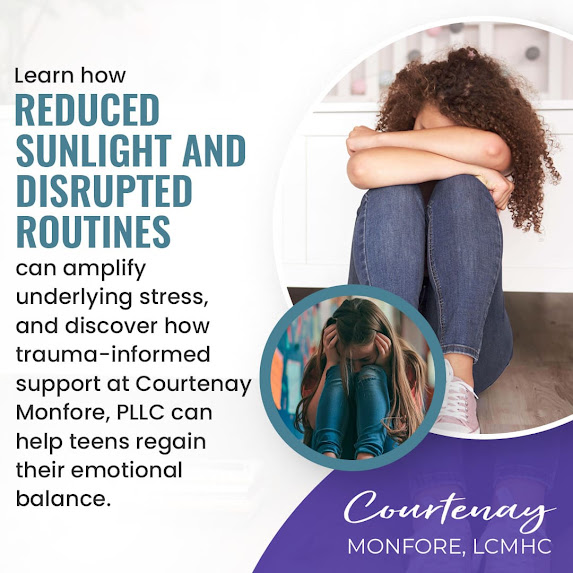
Shorter daylight hours, colder weather, and disrupted routines can significantly affect adolescents, whose emotional regulation systems are still developing. Mental health providers note that winter often coincides with increased fatigue, irritability, withdrawal, and difficulty managing emotions.

Reduced Light, Routine Changes, and Emotional Regulation
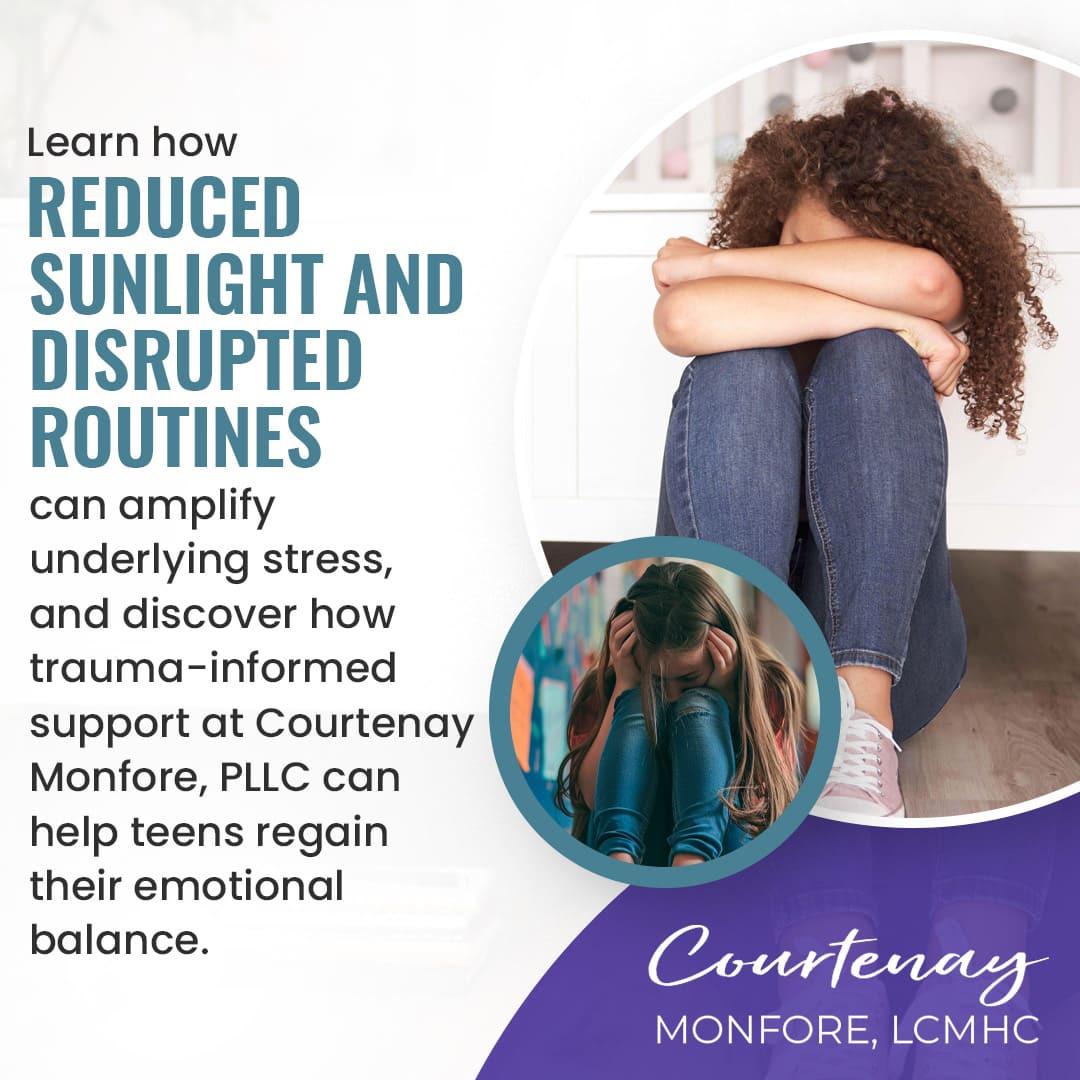
Reduced exposure to natural sunlight can interfere with serotonin and melatonin regulation, impacting mood and sleep patterns. At the same time, winter schedules often limit physical activity and social engagement, which are key stabilizing factors for teen mental health.
Professionals offering teen counseling services report that winter rarely creates new emotional concerns. Instead, it tends to amplify stress that has been building quietly throughout the year, making emotional challenges more noticeable to both teens and caregivers.
Attachment and Emotional Awareness Influence Teen Well-Being
Adolescent mental health research increasingly highlights the role of attachment security and emotional differentiation in regulating stress. When teens feel uncertain about emotional safety with caregivers, their ability to identify and manage emotions can be compromised.
Research Links Attachment Insecurity to Emotional Suppression
A 2024 study examining adolescents’ emotional experiences found that perceived insecurity in attachment to caregivers is associated with poorer emotional regulation and lower relationship quality. Difficulty differentiating emotions can lead teens to internalize distress rather than process it relationally, increasing emotional strain over time.
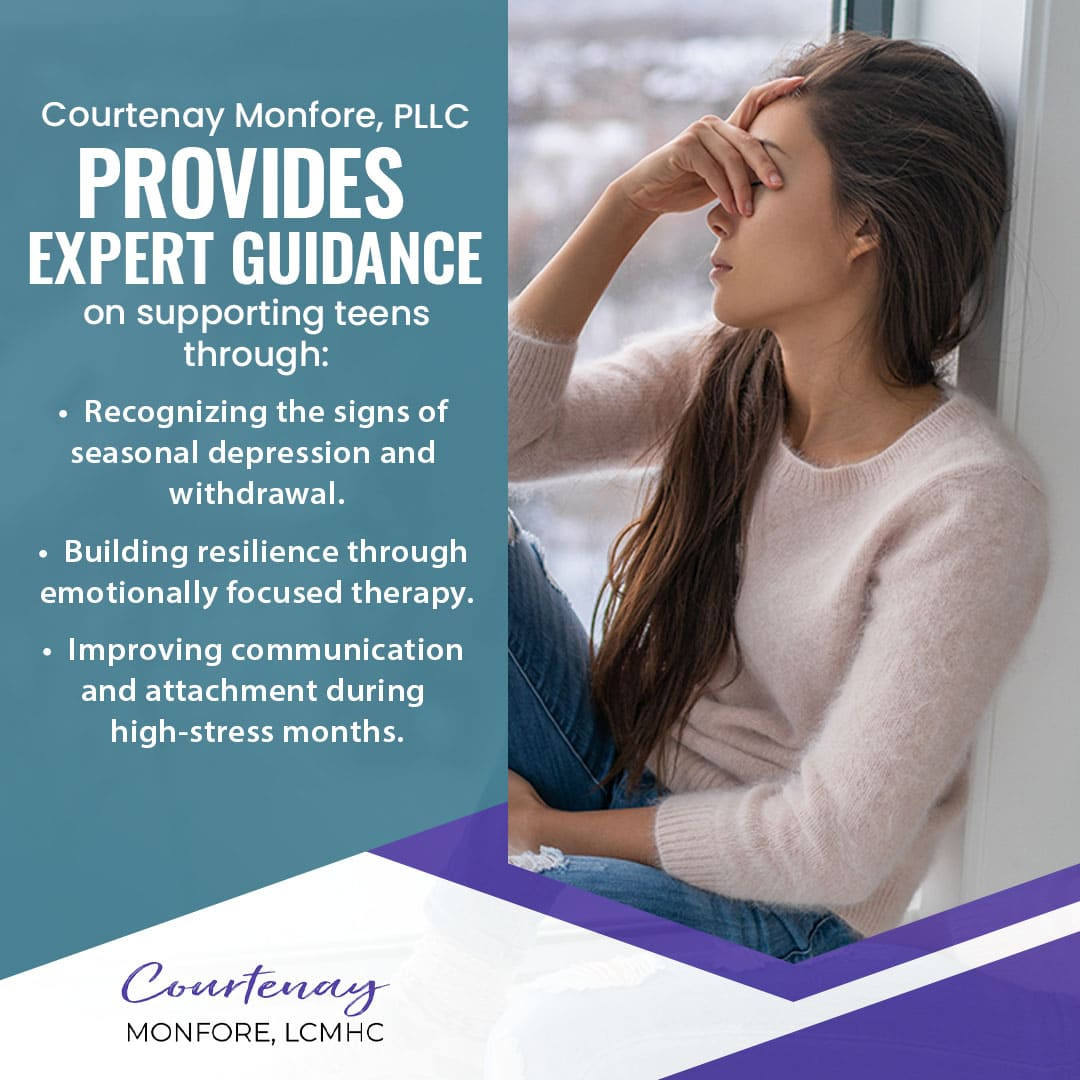
The company’s professional teenage therapists frequently observe that emotional suppression becomes a default coping strategy when teens feel misunderstood. During the winter months, this internalized stress may surface as emotional shutdown, irritability, or sudden behavioral changes.
Depression Risk Increases When Seasonal Stress Persists
While seasonal mood shifts are common, prolonged emotional strain can increase the risk of depression in adolescents, particularly when coping resources are limited.
Global Data Highlights the Scope of the Issue
A 2024 systematic review and meta-analysis published in the Journal of Affective Disorders reported that approximately one in five children and adolescents worldwide experiences depression or clinically significant depressive symptoms, with prevalence increasing over time.
Depression in teens does not always present as persistent sadness. Instead, it may appear as emotional numbness, irritability, disengagement, or changes in sleep and appetite. Mental health providers emphasize that winter can act as a catalyst when emotional reserves are already low.
Recognizing When Additional Support Is Needed
The professional teen counseling team notes that warning signs include symptoms lasting longer than two weeks and interfering with daily functioning. Early intervention can help clarify whether symptoms reflect seasonal stress or a deeper concern requiring professional support.
Therapy Offers Stability During an Unpredictable Season
Winter can be a meaningful time for therapeutic intervention, as fewer external distractions allow teens to focus more fully on emotional processing.
Structured Support Helps Teens Regain Balance
Practices offering services as therapists for teenage depression report that consistent therapy during winter helps adolescents develop emotional clarity and regain a sense of control. Trauma-informed and emotionally focused approaches are often used to address both current stressors and underlying emotional patterns.
The company’s therapists for teens emphasize that therapy is not about labeling emotions, but about helping adolescents understand and manage them more effectively within a supportive environment.

Local Trends Reflect Broader Mental Health Concerns
In Charlotte, mental health providers report an increase in family inquiries during the winter months related to mood changes, emotional withdrawal, and academic disengagement. As a teen therapist in Charlotte, NC, Courtenay Monfore, PLLC, works with adolescents navigating anxiety, overwhelm, and mood shifts that often intensify during colder months.
Community-level awareness remains an important factor in reducing stigma and encouraging early support. Mental health professionals stress that access to accurate information helps families make informed care decisions.
About Courtenay Monfore, PLLC
Courtenay Monfore, PLLC, is a psychotherapy practice providing mental health services to adolescents and adults in Charlotte. The practice offers individual therapy using a trauma-informed, goal-oriented approach that integrates emotionally focused methods. Through teen counseling, the practice supports emotional regulation, relational health, and resilience during periods of increased stress. Services are available in person and virtually. To learn more, contact them today at (704) 741-2082 or hello@courtenaymonfore.com.

Contact Information:
Courtenay Monfore, PLLC
6302 Fairview Rd Suite 310
Charlotte, NC 28210
United States
Courtenay Monfore
(704) 741-2082
https://courtenaymonfore.com
Original Source: https://www.courtenaymonfore.com/blog/building-emotional-resilience-through-teen-counseling-in-winter