

Why Winter Water Damage Is Often Discovered Too Late
United States – January 19, 2026 / Ice Dam USA /
Winter water damage does not always behave the way homeowners expect, particularly during prolonged cold weather. Building-science and weather authorities note that snowmelt can enter a structure gradually, freeze before becoming visible, or travel through insulation and wall cavities before appearing inside living spaces.
The National Weather Service explains that winter moisture intrusion often follows a delayed timeline, especially when melting snow refreezes before draining properly. In cold climates, this process can allow water to move beneath exterior materials and into concealed areas before interior damage is noticed.
Cold-climate housing research from the University of Minnesota Extension further notes that water entering attic spaces can migrate laterally through insulation and framing before reaching ceilings or walls. This makes winter damage harder to detect and more difficult to trace to a specific weather event once visible symptoms appear.
Because winter moisture may remain hidden for extended periods, documentation timing becomes critical when damage is discovered. Consumer guidance from state insurance departments consistently advises homeowners to record conditions as soon as damage is suspected, even if the source is not immediately clear.
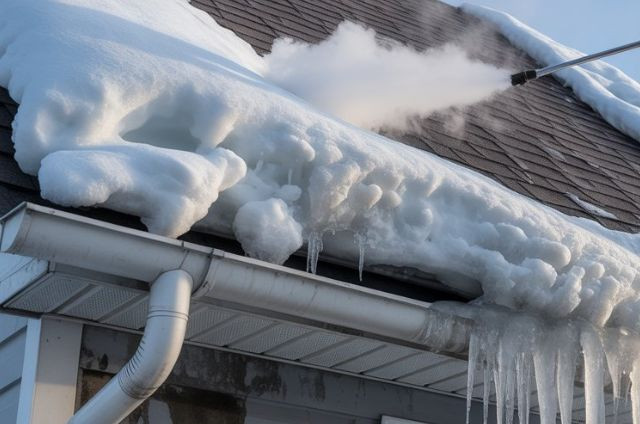
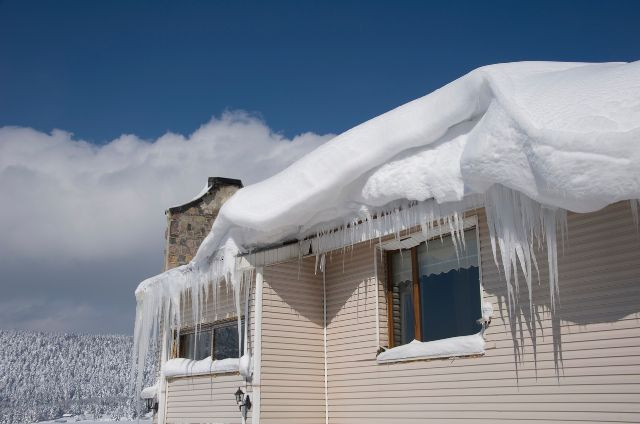
Many sources of winter water intrusion in northern states involves ice dams, which form when melting snow refreezes near roof edges and redirects water into attic spaces rather than allowing it to drain away. The National Weather Service identifies ice dams as most common in northern climates where freeze-thaw cycles are frequent.
A homeowner resource, an emergency guide for dealing with ice-dam-related roof leaks, explains how winter water intrusion can progress without immediate visible signs and outlines practical steps residents can take to document conditions and limit interior damage during freezing temperatures.
Cold-weather experts emphasize that winter damage often becomes apparent days after a storm, when temperatures briefly rise and trapped moisture begins to move. Monitoring ceilings, walls, and attic spaces during these warming periods can help identify issues earlier and preserve important context if repairs or claims become necessary.

Why It Matters
Winter water damage frequently develops out of sight, making timelines and causes harder to reconstruct once visible symptoms appear. Understanding how snowmelt and freezing conditions affect moisture movement inside a home can help homeowners respond more effectively and protect both property and documentation during extended winter weather.

Contact Information:
Ice Dam USA
, MN
United States
Shawn Thompson
(855) 468-4233
https://www.icedamusa.com/


Original Source: https://www.icedamusa.com/media-room/