
Trong Nguyen // Shutterstock
The new geography of ecommerce: Top distribution locations retailers are betting on for 2026
In 2025, retail brands faced rising customer expectations, ongoing tariff challenges, geopolitical instability, and omnichannel complexity. These challenges sparked new conversations and a closer look at global supply chains. A recent WSI | Kase survey found that 94% of retail supply chain leaders agree that recent tariff increases have accelerated supply chain decision-making, illustrating the pressure to implement agile adjustments, including geographical changes.
A network rethink, not a single location
Brands making distribution and fulfillment changes in 2026 must shift away from the concept of âone big warehouse,â and instead move toward flexible and resilient networks that embrace multiple nodes, micro-fulfillment, and in the longer term, possible nearshoring or reshoring. Put simply, location matters more than ever. In fact, 89% of retail supply chain leaders believe that proximity builds brand equity, enhancing trust and customer experiences.
Location directly impacts revenue and long-term resilience as well, making location strategy a board-level decision. Where a brandâs inventory sits determines delivery speed, shipping expense, service consistency, and how quickly a brand can respond to demand shifts or disruptions.
That means network decisions influence growth, risk exposure, and competitive advantage, making fulfillment location a strategic choice.
The 2026 reality: Why location matters more than ever
Although for many consumers cost is as important (if not more so) than speed, the expectation for fast delivery is still there. A recent article by McKinsey & Company found that average parcel delivery speed has accelerated by about 40 % since 2020, going from 6.6 days to 4.2 days.
In some markets, particularly in urban areas, delivery expectations are higher. Customers want 1â to 2-day delivery, and at times same-day and even ultra-fast, within a few hours.
Along with customer needs, demand is fragmented across DTC, marketplaces, retail replenishment, and emerging social commerce channels, each with different service-level, packaging, and shipping requirements. Efficiency depends on where inventory is positioned and how well brands can support channels without duplicating stock or inflating costs.
At the same time, rising transportation and real estate costs and labor constraints make poorly placed inventory expensive to move and harder to scale. Location and well-placed nodes become a priority, since they support flexibility and the ability to shift volume between regions and channels as demand changes. This protects margins while maintaining service speed and service consistency.
Top U.S. ecommerce 3PL locations retailers prioritize in 2026
A beneficial 3PL location balances several factors, including regulatory ease, total operating cost, and access to labor with proximity to ports, parcel hubs, and major transportation corridors to keep inventory moving efficiently.
The right location reduces compliance risk, lowers inbound and outbound freight costs, shortens delivery times, and gives retailers flexibility to support multiple channels while adapting to regional demand shifts.
Major distribution corridors anchor modern ecommerce networks
Retailers continue to concentrate inventory in proven distribution corridors that balance speed and access. In 2026, four major corridors continue to dominate.
Allentown and the broader New Jersey-Pennsylvania corridor remain a critical area for 3PLs serving dense Northeast population centers. It features direct access to ports, parcel hubs, and intermodal infrastructure that support fast-turn marketplace and DTC fulfillment.
On the West Coast, Los Angeles-Fontana is a primary gateway for imports and near-port fulfillment. Brands tend to pair this area with inland nodes to offset congestion and cost.
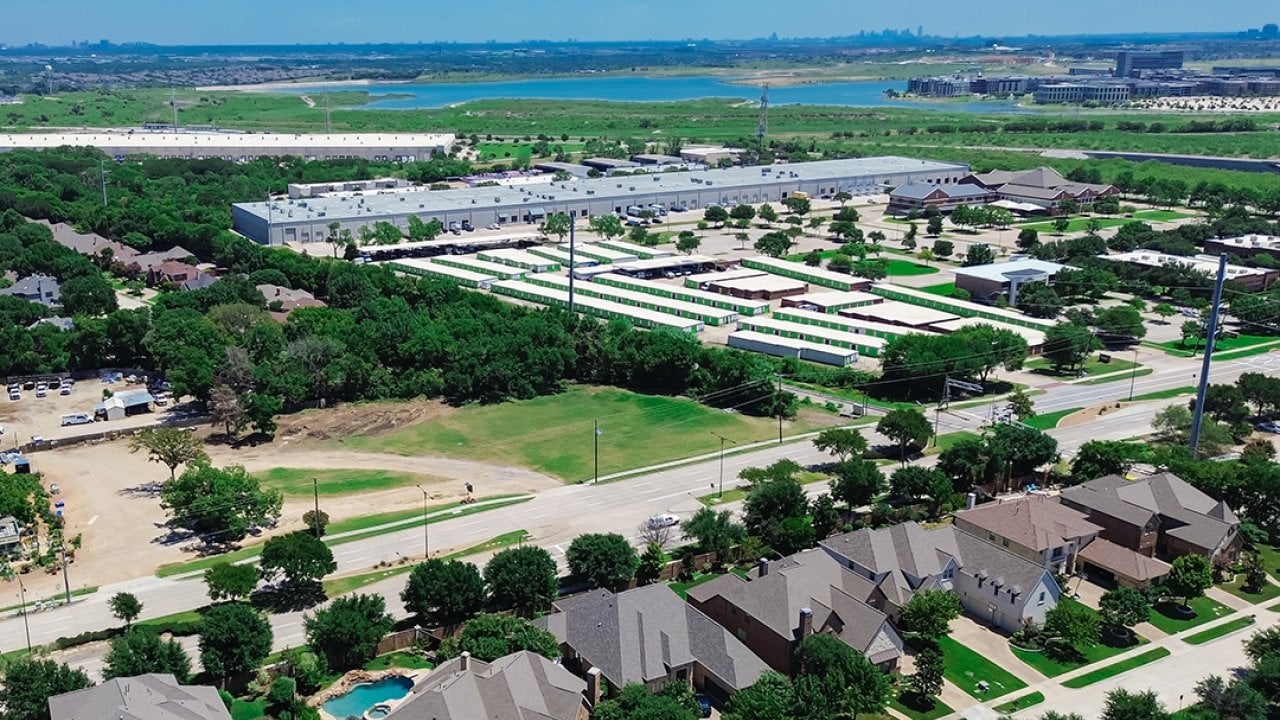
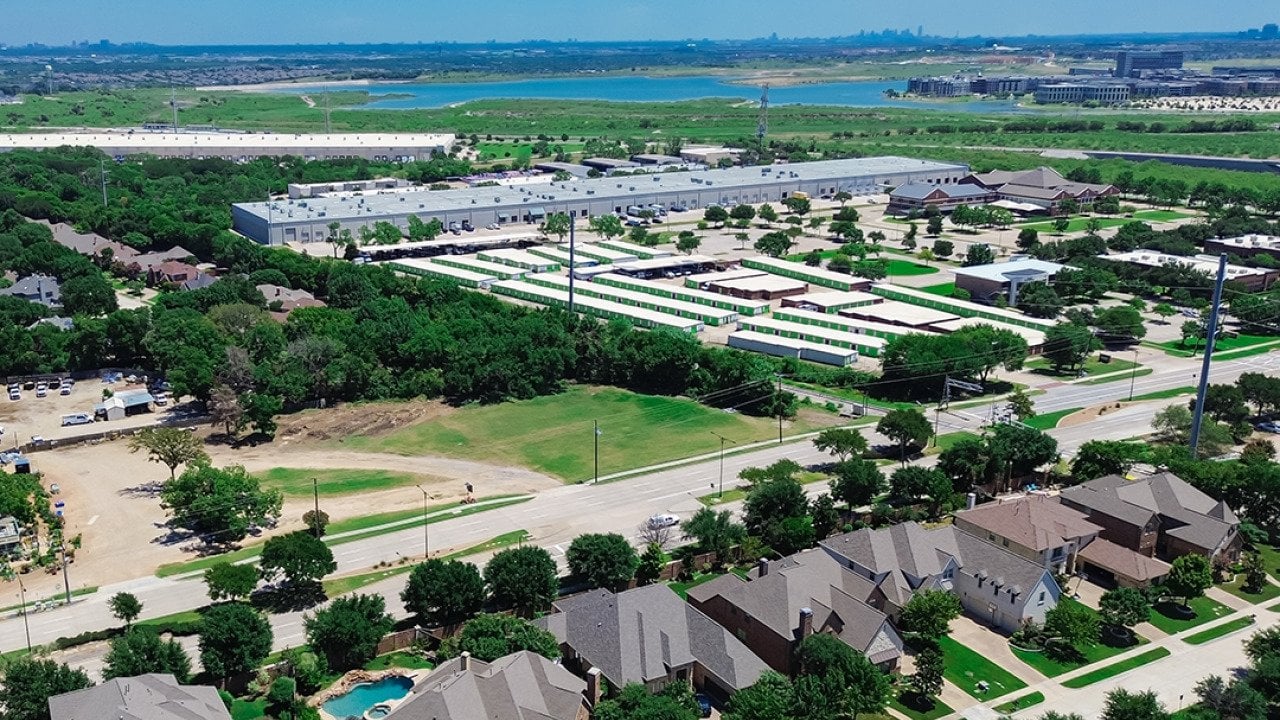
Dallas-Fort Worth continues to attract investment due to its central geography, expanding labor pool, and ability to balance national reach with cost efficiency. Itâs not unusual for 3PLs to locate in nearby Sunnyvale, Irving, Mesquite, or Garland.
Finally, Chicago plays a key role as a rail and linehaul hub that connects Midwest demand with both coasts, but also serves half the population within a dayâs drive. As a Midwest 3PL hub, Chicago is dynamic, boasting a large labor pool and cost-effective distribution and scalability for businesses.
Nearshoring and reshoring accelerate location strategy shifts
The aim to move supply chains closer to end customers has nearshoring and reshoring reshaping where fulfillment networks are built. WSI | Kase data shows shippers increasingly favoring regional inventory placement to reduce lead times, improve resilience, and maintain tighter control over inventory. Locations tied to Mexico, Canada, and U.S. manufacturing hubs are influencing downstream fulfillment decisions, allowing brands to respond faster to demand while reducing exposure to global disruption.
Global hubs still matter for cross-border ecommerce
Brands that sell internationally still need a global logistics gateway. Hubs in Germany, Singapore, China, and the Netherlands will continue to anchor cross-border flows in 2026. These locations connect international inventory with U.S. fulfillment networks, supporting fast downstream delivery and smoother global expansion.
What retailers evaluate when choosing 3PL locations in 2026
Location decisions are more granular, moving beyond simple geography. Brands are weighing workforce stability, access to ports, rail, parcel zones, and linehaul lanes.
Additionally, real estate flexibility and proximity to customer demand are critical. Another emerging part of the equation is the foundation for technology readiness, which supports visibility, automation, and real-time reporting. Access to high-speed connectivity, automation vendors, and robotics maintenance talent is favorable to todayâs automated and data-driven operations.
The future is distributed
When retailers over-optimize for a single channel or cost model, it leaves networks exposed when demand shifts. Today, resilient, flexible fulfillment footprints are better equipped to absorb promotions, seasonal surges, and viral demand while supporting DTC, marketplaces, and wholesale simultaneously. Adaptable 3PL partners with the right network in place enable brands to shift volume without disrupting service or margins.
In 2026, location strategy is a competitive advantage. Brands that build optionality into their fulfillment networks are better positioned to scale, adapt, and protect customer experience as channels evolve. The most effective 3PL footprints are dynamic by design, not fixed.
Ecommerce fulfillment continues to move toward distributed networks built for change.
This story was produced by Kase and reviewed and distributed by Stacker.
